
The historical evolution of gambling from ancient rituals to modern casinos
Origins of Gambling in Ancient Cultures
The origins of gambling can be traced back to ancient civilizations, where it played a significant role in cultural and social practices. Archaeological findings suggest that ancient Chinese, Indian, and Egyptian societies participated in games of chance, often linked to rituals or religious ceremonies. For instance, the use of dice has been recorded in China as far back as 2,000 BC, showcasing the deep-rooted nature of chance-based activities in early human history. Today, platforms like paripulse uz highlight the modern evolution of these early practices.
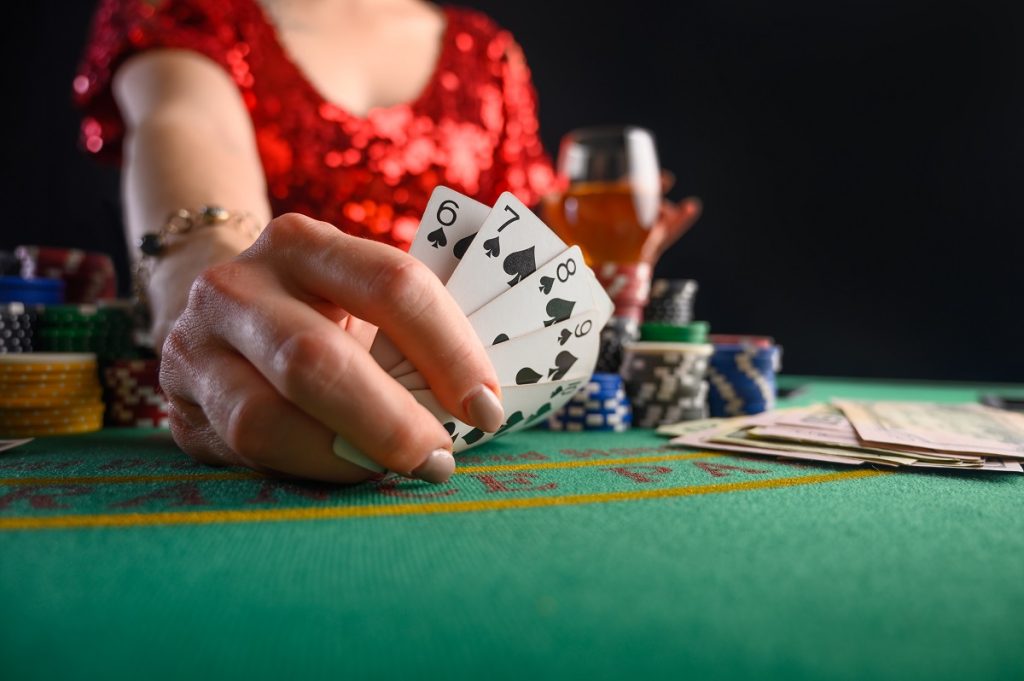
In these early contexts, gambling was not merely a form of entertainment but often served as a means to divine the will of the gods or to make decisions in life-and-death situations. The Game of Sixes, an ancient board game played in India, also demonstrated how gambling was intertwined with social interactions, as it was enjoyed by both commoners and nobles alike. These cultural roots laid the groundwork for gambling’s transformation throughout the centuries.
Moreover, early forms of gambling often involved community participation, further emphasizing its role in social cohesion. Festivals and gatherings would feature games of chance, fostering a spirit of camaraderie among participants. The emergence of these rituals signaled that gambling was not just about winning or losing money, but about forging connections and building community identity.
The Rise of Gambling in Ancient Rome and Greece
As civilizations evolved, gambling found its way into ancient Rome and Greece, where it became a popular pastime among citizens. The Romans, known for their love of spectacles, organized chariot races and gladiatorial games that often included betting. These events became social occasions where people gathered not only to witness the competitions but also to engage in wagering, which significantly contributed to the popularity of gambling in society.
Greek culture, too, had its share of gambling traditions. The Greeks introduced a variety of dice games and betting on athletic contests, most notably during the Olympic Games. This cultural acceptance of gambling led to the establishment of rules and regulations surrounding betting practices, highlighting a societal acknowledgment of gambling as both entertainment and commerce.
During this time, gambling began to be seen through various lenses, including moral and ethical considerations. While some viewed it as a vice, others saw it as an essential part of social life. This duality in perception laid the foundation for the complexities surrounding gambling that would continue to evolve through history, as it transitioned from informal games to more structured betting systems.
The Middle Ages: Gambling in the Shadows
The Middle Ages marked a tumultuous period for gambling, characterized by fluctuating acceptance and widespread prohibition. As the influence of the Church grew, gambling faced scrutiny, and many gambling activities were deemed sinful. Laws were enacted across Europe to limit or ban gambling, leading to a decline in formal betting establishments. However, these restrictions did not eliminate gambling; it merely pushed the activity underground.
Despite the bans, gambling persisted and adapted. Secret games and informal betting circles emerged, showcasing the resilience of this age-old pastime. Cards were introduced during this period, offering new avenues for gambling that attracted various social classes. The emergence of card games like tarocchi and the popularity of dice games continued to challenge the prohibitive laws of the time.
As societies began to emerge from the dark ages, a renewed interest in arts and culture paved the way for the reintroduction of regulated gambling. This led to the establishment of the first official lotteries in the 15th century, which aimed to raise funds for public projects. This transition signified a gradual shift toward a more organized and socially accepted form of gambling that would set the stage for future developments.
The Birth of Modern Gambling in the 17th and 18th Centuries
The 17th and 18th centuries heralded a new era for gambling, marked by the establishment of the first official casinos and gambling houses. The Casino di Venezia, opened in 1638, is considered the world’s first casino, reflecting a significant shift towards structured gambling environments. This era also saw the codification of various games, including poker and roulette, which became staples in the gambling landscape.
With the rise of the bourgeois class, gambling became increasingly fashionable. The popularity of games such as baccarat and chemin de fer exploded in European social circles, making casinos a central hub for entertainment and social interaction. This societal acceptance allowed gambling to flourish, attracting both local and international clientele.
Additionally, this period witnessed the proliferation of gambling literature, including books and guides that aimed to educate players on strategies and rules. Such resources elevated the sophistication of gambling and contributed to its reputation as an intellectual pursuit, transcending mere luck and chance. This evolution laid the groundwork for the burgeoning gambling industry that would emerge in the centuries to follow.
Gambling in the Digital Age: The Shift to Online Platforms
The advent of the internet marked a revolutionary shift in the gambling landscape. Online gambling platforms began emerging in the late 1990s, providing an unprecedented level of accessibility and convenience for players around the world. This new digital frontier allowed individuals to engage in various games, from poker to slots, without the need to visit a physical casino, fundamentally altering the way people viewed and participated in gambling.
With the rise of online gambling, many traditional casinos adapted to the new technology by developing their online counterparts. This transition not only attracted a younger demographic but also provided existing players with more options than ever before. The introduction of live dealer games brought the casino experience directly to players’ homes, offering a social component that had previously been missing from online gaming.
The integration of advanced technology, such as mobile applications and cryptocurrency payment options, has further streamlined the gambling experience. Players now enjoy enhanced security and convenience, as they can access their favorite games from anywhere in the world. This digital transformation has not only expanded the reach of gambling but has also fostered a vibrant online community, where players can interact and share experiences in real time.

PariPulse: A Modern Gambling Experience
For those seeking a premier online gaming experience, PariPulse stands out as a leading platform that embodies the evolution of gambling in the digital age. Established in 2023, this online casino offers a vast selection of games, including over 7,000 options from more than 125 global providers. With a user-friendly interface and a mobile app, PariPulse provides players with unparalleled convenience and accessibility.
Licensed by the Curaçao Gaming Authority, PariPulse guarantees a safe and secure gaming environment. Players can enjoy various payment methods, including cryptocurrency, making it easier to manage their funds. The platform also offers enticing welcome bonuses, ensuring that new players are welcomed with open arms. With dedicated customer support available 24/7, PariPulse prioritizes an exceptional gaming experience for all users.
As gambling continues to evolve, PariPulse remains at the forefront, merging tradition with modern innovation. Whether players are interested in live casino options or sports betting, they can explore a world of thrilling entertainment, encapsulating the historical journey of gambling from its ancient rituals to its contemporary digital manifestations.
